A Developmental Model of Behaviour, Where Behaviour Changes Without Force, Treats, Bribes, Corrections, Punishment.
There’s something I’ve been thinking about a lot recently, especially when I see dogs being pushed into training or exposure work before they’re really ready.
We place so much emphasis on teaching dogs how to behave, how to cope in the outside world, and how to respond to different situations, but we often overlook something far more fundamental. Before any of that can happen, a dog needs to feel safe.
When a dog doesn’t feel safe, what we’re seeing isn’t disobedience or stubbornness, it’s a nervous system in survival. In that state, the dog isn’t in a position to learn, to process, or to build confidence in a meaningful way. They are simply trying to cope with what feels overwhelming. some become hypervigilant, constantly scanning their environment and unable to fully settle even in quiet moments; some become reactive, pushing the threat away through barking, lunging, or sudden outbursts; others go into a freeze response, becoming still, shut down, or seemingly “unresponsive” and some develop obsessive or repetitive behaviours, like pacing, shadow chasing, licking, or fixation, which act as a release valve for internal pressure when nothing else feels controllable.
What I’ve come to understand is that development follows a natural order, and when that order is disrupted, everything built on top of it becomes unstable.
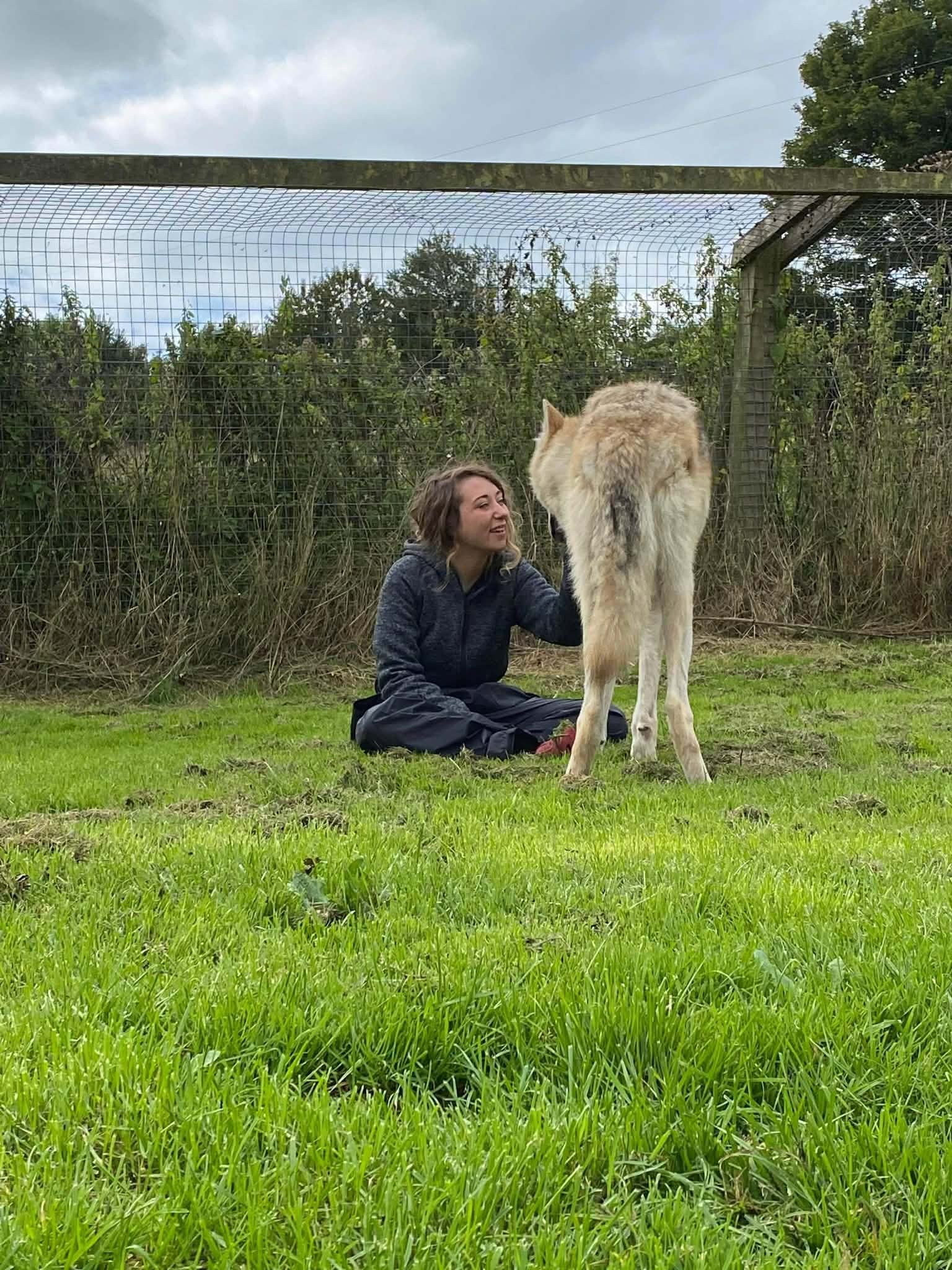
The first stage of this developmental model is centred around attachment. It’s about building a secure, unconditional bond that gives the dog a genuine sense of safety at a neurological level. For a mammal, that bond is not just emotional, it is foundational to how the entire system organises itself. It creates relational anchors, something the dog can come back to, both physically and internally, when the world feels uncertain. This stage is not about training or expectation, but about safety and attunement, and a relationship where the dog is not under pressure to perform or cope before they are ready. Within this kind of environment, the nervous system can begin to settle, trust starts to form, and the groundwork for everything that follows is laid.
Once that foundation is in place, the relationship begins to deepen in a more active way. The dog is no longer just feeling safe, they are starting to move through the world with you. This stage is about co-exploration, where experiences are shared rather than faced alone. The dog begins to regulate through the relationship, using your presence as a point of stability while gently stepping into new environments or situations. It’s less about independence and more about being guided and supported, almost like a form of hand-holding through the world. Because of that foundation of safety, the dog is able to explore in a way that feels manageable, with you acting as a consistent reference point. This changes how experiences are processed, as the dog is not simply reacting, but learning within the safety of connection.
Only after these stages are in place do we start to see real confidence. The dog is able to cope more effectively, make better decisions, and move through the world with a greater sense of stability. Not because they have been trained into certain behaviours, but because they have developed from a place of safety.
Without that secure base, we’re not really building confidence; we’re just layering coping strategies on top of an unsettled system. Over time, that tends to show up in one way or another.
When we shift the focus and prioritise safety and connection first, everything else starts to change. Behaviour becomes less about managing symptoms and more about understanding what the dog actually needs in order to feel stable.
From there, development happens much more naturally.
That, for me, is where the real work is.